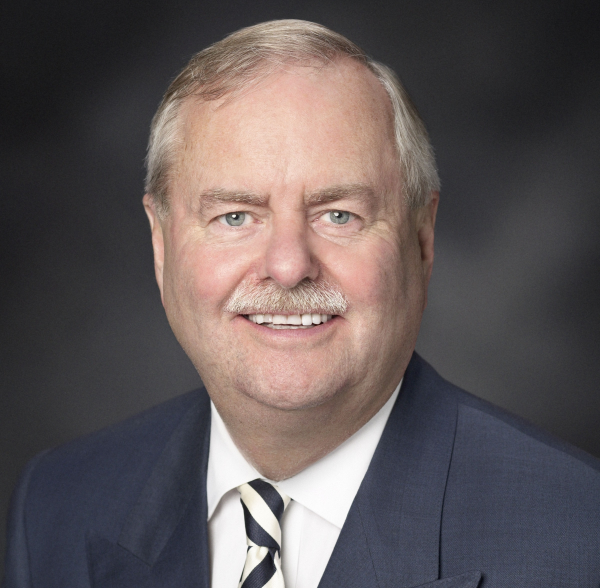
Charles Wilton – Why It Was Time To Sell Walgreens

Charles Wilton

A new interview with Charles Wilton, Portfolio Manager with the Private Investment Management Group at Raymond James.  In today’s episode, we talk about the recent disposition in his portfolio and why he decided to sell Walgreens.

IRONSHIELD Financial Planning’s “Fly On The Wall” update call.
These calls are recorded by Scott Plaskett and allow you to get a behind-the-scenes look at one of his professional update calls. Watch and listen as a “fly on the wall” and get some of the most valuable information you will find on the Internet.

Important Steps To Financial Freedom: Expenses, Debt and Diversification

In order to come up with a solid financial plan that focuses on your financial freedom you need to get clear on where you stand right now so you can determine whether or not your current financial state will support your lifestyle after you leave the work force.

Paying particular close attention to your expenses and your debt levels and gaining clarity on what it will take to clear those debts as quickly as possible is paramount to a successful transition. Transitioning from working to not working with debt can be challenging unless you have a clear plan on how to manage your debt requirements.

You also need to look at what your revenue streams will be during your post-working years and how diversified they are. Taking a look at these items will not only help you transition with confidence but will also protect you by ensuring you are not reliant on a limited number of cash flow sources during your retirement years.

Get clear on your current financial position (your assets and all your liabilities/debts). In my previous post I listed the nine things you need to know before you can experience financial freedom. It is important to go through this list so you can gain a clear understanding of what you need your financial picture to look like.

When you go through this exercise it’s going to allow you to say to yourself one of two things.

You’re either going to say, “yeah, my revenue sources are going to be quite varied and so I’ve got a safer diversified revenue stream”…

Or, you are going to find that your revenue sources are not diversified and all of your revenue is going to come from one or a limited number of sources.

Having limited sources of revenue puts a lot of reliance on those sources to make sure they can keep up with your current and future cash flow needs. (Don’t forget the negative effects of inflation – also known as the “silent killer” to financial plans). Knowing how your revenue streams stand up is important and allows you to take action and make changes if you need to. Your financial advisor can help you with this.

Are you clear on your current financial position? Where does your money go right now? Do you have debts you are making payments on? What are your expenses? You want to get very clear as to what your expenses are now, what they’re going to be going forward and whether or not those expenses are going to continue with you all the way through until after you leave work.

Are you going to be carrying debt into retirement? Having complete financial freedom does not involve debt but if you do have some it is all about getting focused and getting a plan in place.

So here’s the thing. If you have a long time between now and when you leave the workforce, put a plan in place to get those debts paid off by the time you stop working.

I have no doubt there are certain people who will go into retirement with debts and that happens. It really just means that at that point you need to be very, very clear as to what the plan is for getting rid of those debts. Obviously getting those monkeys off your back during retirement would just allow for a much more solid financial footing.

So getting clear on what your expenses are going to be, what your fixed expenses are, what expenses are going to stop is going to allow you to truly live a life that is financial free.

——————————————————————————————-

Also read:

Retirement Plan

Why Your Financial Plan is Missing the Mark (And How You Can Fix It)

Financial Goals VS. Financial Objectives

——————————————————————————————-

Get a retirement income plan in place so you can see what your future holds. This will provide you with a tremendous amount of confidence going into retirement.

In my previous post, I asked the question “What kind of planning you are doing?” to help you gain clarity on what you need to see in your financial plan. Developing a base plan simply tells you whether or not what you’re trying to accomplish is financially doable. This also answers the most important question, which is, can I find financial freedom with the lifestyle I’ve become used to?

Having a financial planner is an important part of your overall plan and finding the right one for you takes time. To help you in this process, I encourage you to read How to Choose and Work with a Financial Planner You Can Trust. This is a free Consumer Awareness Guide that you can download instantly.


What Kind Of Planning Are You Doing For Your Financial Freedom?

In my last blog post I talked about the nine things you need to know before you can retire comfortably. Make sure to check out the link and read that blog post when you get a chance, there is a wealth of information in it. There is a lot to think about when it comes to planning your financial freedom. I just want to quickly run down the list of those nine things here so we’re all on the same page.


1. What is your net worth today?
2. Where is all your money going to come from?
3. What are your retirement expenses going to be?
4. What is your debt management plan?
5. What does your base plan look like?
6. What are the “what if” scenarios?
7. What kind of planning are you doing?
8. What about risk management?
9. Are you planning for how your estate will be distributed?

Today I want to go back and take a closer look at number seven on that list above. We want to look at the kind of planning you’re doing.

There are two different types of planning: there’s goals based planning and cash flow based planning. The two types of planning are used at distinctly different times.

GOALS BASED PLAN

So, for example, if you have a long period of time between now and when you plan to stop working, that’s where we would use a goals based plan. It’s basically when you say to yourself, “what do I need to do today so I can stop working at age 65 with a certain level of income?” The goals based plan answers that question.

Goals based financial planning provides you with a clear idea of what you need to do to retire at a certain age with a certain level of income.

——————————————————————————————-

Also read:

9 Things You Need To Know Before You Can Retire Comfortably

Financial Goals Vs. Financial Objectives

Why Your Financial Plan is missing the Mark (And How You Can Fix it)

——————————————————————————————-

Cash Flow Based Plan

A cash flow based plan takes into account a different set of variables and it answers the question, “what type of cash flow can I expect after I leave the work force?” We’re no longer focusing on a long term accumulation goal but focusing on a cash flow goal.

Cash flow based financial plans do a much better job of mimicking your actual income when you reach financial freedom and the taxes associated with the cash flow received from your plans.

One of the biggest differences between the two plans comes down to taxes. If you go ahead and use a goals based solution to answer a cash flow based plan you are going to be way off the mark. The main reason for that is taxation. With goals based planning you’re assuming an average tax rate over the life of the plan but with a cash flow based plan you need to take a look at the tax on the cash flow every given year.

Don’t forget a financial advisor can help if you have any questions about what kind of plan you’re using now or should be using. Remember, the goal of any financial plan is to reach the desired finish, no matter what the finish line is. Only you can decide the finish line that is best for you but a financial advisor can help you along the way, help you decide what questions you need to ask and help you answer those questions. Be sure to check out my guide called “How to Choose and Work with a Financial Planner You Can Trust” to help you find someone who fits with you to help you map your path to financial freedom.

Charles Wilton – Why Buy Everest Reinsurance

Charles WiltonIn today’s episode, I chat with Charles Wilton, Portfolio Manager with the Private Investment Management Group at Raymond James.  We talk about the recent changes in his portfolio and why he decided to buy Everest Reinsurance.

IRONSHIELD Financial Planning’s “Fly On The Wall” update call.
These calls are recorded by Scott Plaskett and allow you to get a behind-the-scenes look at one of his professional update calls. Watch and listen as a “fly on the wall” and get some of the most valuable information you will find on the Internet.

Charles Wilton – Selling Position of CR Bard

Charles WiltonIn today’s episode, I have an in-depth discussion with Charles Wilton, Portfolio Manager with the Private Investment Management Group at Raymond James.

We go into detail about a recent deposition or exist position that took place in Charles’ portfolio.  Remember, investing is not just about the right time to buy and buying at the right price, but selling at the right price and knowing when to sell…

IRONSHIELD Financial Planning’s “Fly On The Wall” update call.
These calls are recorded by Scott Plaskett and allow you to get a behind-the-scenes look at one of his professional update calls. Watch and listen as a “fly on the wall” and get some of the most valuable information you will find on the Internet.

9 Things You Need To Know Before You Can Retire Comfortably

For many people, long gone are the days when you can retire from your job with the pension that your employer provides. Today it is important to have your own plan. It is all about taking control of your financial future and there a few steps you should take to help you achieve your retirement goals.

Here are nine things I think you need to know before you can retire comfortably.

1. What is your net worth today?
This is really the foundation of all financial planning. You need to understand your net worth in order to move forward. I suggest you make a list on one page everything you own; houses, cars, investment accounts, retirement accounts and education plans. Then take a look at your expenses or your liabilities; what do you owe? Now take your assets and subtract your liabilities and that gives you your net worth.

2. Where is all your money going to come from?
I want you to make another list here of where your retirement income is going to come from; retirement accounts, pension plans, government pensions and inheritances. We don’t need to know what the income is going to be only what the sources are.

3. What are your retirement expenses going to be?
You want to get very clear about what your expenses are now and what they are going to be moving forward.

4. What is your debt management plan?
So if you’re going into retirement and you’re going to be carrying debts, you really want to get a clear plan in place to get rid of those debts.

5. What does your base plan look like?
A base plan is a plan that lays out all of your information (your assets, your liabilities, your retirement income, your retirement expenses) and puts it into a system so you can get a clear picture of where you are today. This step helps answer the most important question can I retire with the lifestyle I’ve become used to?

6. What if scenarios.
I want you to think about and prepare for all eventualities in this step. For example, what if I really don’t like my job and I really want to retire five years earlier? Or what if we decide to downsize and maybe buy a summer home somewhere? All of these variables need to be worked into the plan.

7. What kind of planning are you doing?
There are two types of planning to consider here; goals based planning or cash flow based planning. Goals based planning provide you a clear idea of what you need to do to retire at a certain age within a certain level of income. Cash flow based plans do a much better job of mimicking your actual retirement income and the taxes associated the cash from your plan.

8. What about risk management?
This is important because when you are talking about financial planning there are three eventualities to consider. The first is you’re going to live a long healthy life. The second eventuality is you are going to live a long, unhealthy life. The third is you are going to die prematurely. We want to make sure all of our plans can sustain the level of income we will need to deal with all the eventualities.

9. Estate Planning
So what is going to happen to your family’s wealth when you die? What happens if both spouses die? Are you planning on leaving your wealth and assets to your children? We really want to be focusing on the efficient transfer of wealth from one generation to the next. If you want more information on estate planning, check out my recent post Keeping Your Cottage In The Family – Mistakes To Avoid.

Being able to retire comfortably takes planning. There is no doubt there is a lot to think about. A good financial planner can help you go through the steps so you can get clear on what you need to do to retire the way you want to. For more information on planning your retirement, check out my post Make Retirement The Time of Your Life: Ask Yourself Three Questions

If you are not sure where to turn, the team at IRONSHIELD Financial Planning can help. And of course take a look at this comprehensive and free Consumer Awareness Guide I wrote How to Choose and Work With a Financial Planner You Can Trust.

Mike Flux – General and Investment Alternatives Update Q1 2014

MichaelFlux_1000x1230In this video, I speak with Mike Flux, Senior VP of Connor Clark & Lunn Private Capital to chat about their investment outlook from Q1 of 2014. We also discuss how to interpret the current events, and how to properly position portfolios to take advantage of these market events.



In this second video, Mike gives an update on the alternative strategies that they are using in their portfolios, to help reduce the effects of the current volatility without sacrificing returns.

IRONSHIELD Financial Planning’s “Fly On The Wall” update call.
These calls are recorded by Scott Plaskett and allow you to get a behind-the-scenes look at one of his professional update calls. Watch and listen as a “fly on the wall” and get some of the most valuable information you will find on the Internet.

KEY047 | Financial Planning Software

Financial Planning Software

IN THIS EPISODE OF THE KEY TO RETIREMENT™ PODCAST…

I interview Dave Faulkner, President of FPAdvantage and creator of the financial planning software ‘The Razor’.  Find out how this software evolved and how the financial planner should be the force of direction in creating the actual financial plan, not the software.

And if you’d like to get a jump start on finding the answers to your key financial planning questions, using our proven system, you can book your risk free, no-obligation initial meeting. One of our specifically trained Certified Financial Planners will be pleased to walk you through The KAIZEN Financial Planning Process™.

Visit us online, at www.ironshield.ca, to obtain our contact information, then simply call or email to book your free initial meeting.

To subscribe to the podcast, please use the links below:

If you have a chance, please leave me an honest rating and review on iTunes by clicking here. It will help the show and its ranking in iTunes immensely! I appreciate it! Enjoy the show!

ITEMS MENTIONED IN THIS EPISODE